
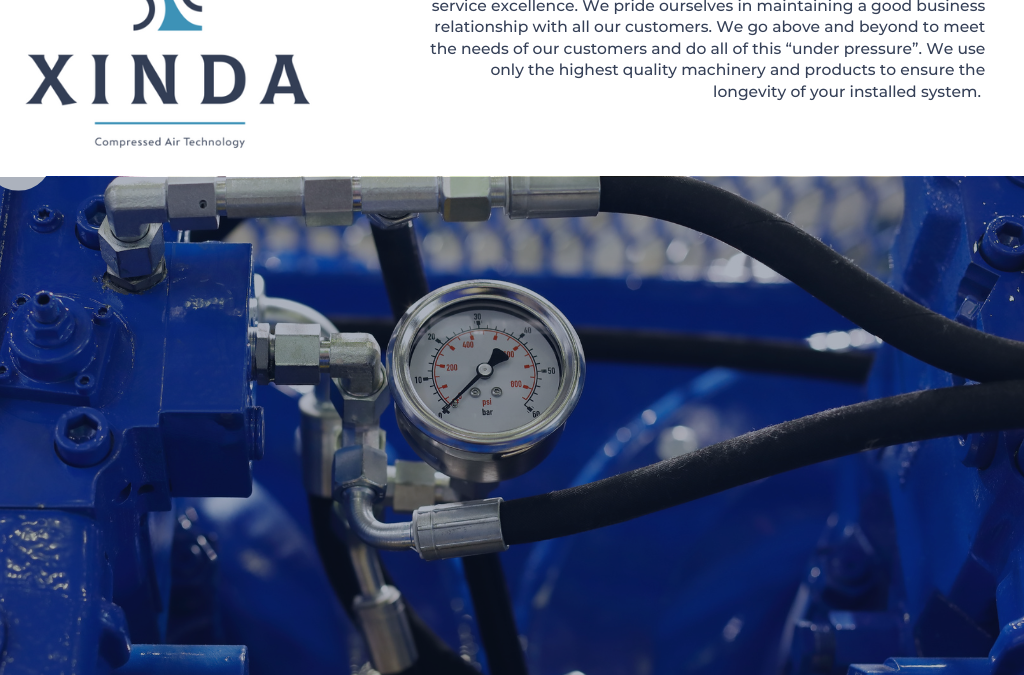
The pressure regulator in an air compressor serves the crucial function of controlling and maintaining the air pressure within a specified range. Here’s how it works and why it is important:
Pressure Control: The primary purpose of a pressure regulator is to control the output pressure of the compressed air coming from the air compressor. It ensures that the pressure remains within a set range, which is essential for various pneumatic tools and equipment to operate efficiently and safely.
Tool and Equipment Compatibility: Different pneumatic tools and equipment may require specific operating pressures. The pressure regulator allows users to adjust the air pressure to match the requirements of the tools in use. This ensures optimal performance and prevents damage to the tools due to excessive pressure.
Safety: Maintaining the correct pressure level is critical for the safe operation of pneumatic systems. If the pressure is too high, it can lead to equipment malfunction, leaks, and even pose a safety hazard. The pressure regulator helps prevent overpressurization by regulating and limiting the output pressure.
Energy Efficiency: Running an air compressor at a lower pressure when possible can contribute to energy efficiency. The pressure regulator allows users to set the pressure at the minimum level required for the application, reducing unnecessary energy consumption and operating costs.
Extended Equipment Lifespan: Consistently operating pneumatic tools and equipment at the correct pressure helps extend their lifespan. Excessive pressure can lead to accelerated wear and tear, while lower pressures may result in inefficient performance. The pressure regulator helps strike a balance for optimal equipment longevity.
In summary, a pressure regulator in an air compressor is a crucial component that allows users to control, adjust, and maintain the air pressure output. This not only ensures the safe and efficient operation of pneumatic tools and equipment but also contributes to energy efficiency and equipment longevity.
