
n modern manufacturing, processing, and assembly plants, compressed air is often referred to as the “fourth utility.” Yet, industrial air compressors are frequently treated as background equipment—until they stop working.
Quick Answer: Why Do Air Compressors Fail?
Industrial air compressors typically fail due to neglected preventative maintenance, thermal overload (overheating), oil degradation, clogged filtration, electrical faults, excessive moisture, and poor pipework design . Over time, these issues accelerate mechanical wear, force the system to run inefficiently, and trigger safety shutdowns or catastrophic component failure.
The 10 Most Common Causes of Industrial Air Compressor Failure
1. Neglected Preventative Maintenance
The single most common cause of premature compressor failure is skipped or
inconsistent servicing. Industrial compressors operate under extreme pressures,
high temperatures, and continuous mechanical stress. Without a structured
preventative maintenance plan, key consumables degrade, causing a domino effect
of system-wide damage.
A robust preventative maintenance checklist must address:
- Air and oil filters: Preventing particulate ingress and protecting internal components.
- Separator elements: Reducing oil carryover into downstream lines.
- Lubricants: Changing oils to prevent viscosity breakdown and varnish.
- Mechanical parts: Inspecting belts, bearings, and drive couplings.
- Cooling and drainage: Cleaning coolers and testing automatic drain valves.
To support your maintenance schedule, Xinda stock a comprehensive inventory of
replacement parts, including high-performance air filters, oil filters,
separators, oils, V-belts and bearings. Delaying these simple replacements
forces the compressor to work harder, accelerating wear and driving up energy
consumption.
2. Overheating (Thermal Overload)
Overheating is a frequent cause of unscheduled compressor shutdowns. Rotary
screw and reciprocating compressors generate immense heat during the compression
cycle. If the system cannot dissipate this thermal energy, internal safety
switches will trip to prevent catastrophic damage.
Common causes of compressor overheating include:
- Blocked, dirty, or fouled air and oil coolers.
- Poor compressor room ventilation or high ambient temperatures.
- Insufficient or degraded oil levels.
- Accumulation of dust and debris on the compressor housing.
To combat heat-related failures, we provide professional thermal management
support, including specialized ultrasonic cleaning for air and oil coolers to
restore heat transfer efficiency and prevent thermal shutdowns.
3. Blocked Filters and Poor Filtration
In dusty industrial environments—such as mines, woodshops, foundries, and
processing plants—airborne contaminants quickly saturate intake filters.
When intake filters become clogged, the compressor must pull a vacuum to draw
air, dramatically increasing energy usage and thermal stress. If particulate
bypasses a compromised filter, it enters the compression chamber, causing
abrasive wear on the rotors, cylinders, and seals.
Furthermore, poor downstream filtration damages sensitive pneumatic valves,
cylinders, and final products. Implementing high-efficiency filtration reduces
wear on your system, minimizes pressure drops, and lowers your total operating
cost.
4. Poor Lubrication and Oil Degradation
Oil is the lifeblood of flooded rotary screw compressors. It seals the rotors,
lubricates the bearings, and absorbs the heat of compression. If the oil level
drops, becomes contaminated, or suffers thermal breakdown, mechanical wear
accelerates rapidly.
Inadequate lubrication leads to:
- Elevated operating temperatures.
- Premature bearing wear and potential air-end lockup.
- High oil carryover (oil passing into downstream air lines).
- Damage to internal seals and gaskets.
Compressors operating in demanding environments require customized lubricant
service intervals. Regular oil analysis is highly recommended to monitor
viscosity, acidity, and metal wear particles before they lead to an unexpected
breakdown.
5. Electrical Faults and Control Failures
Electrical issues can cause a compressor to trip or fail to start without
warning. Because industrial compressors draw significant electrical loads, they
are highly sensitive to power quality and control component wear.
Common electrical failure points include:
- Voltage fluctuations (under-voltage or over-voltage).
- Loose control panel wiring and terminal connections.
- Pitted or worn contactors and starters.
- Blown fuses or tripped motor overload relays.
- Faulty temperature or pressure sensors.
- Starting the compressor against residual system backpressure.
If your compressor frequently trips its circuit breaker or shows intermittent
control panel faults, it is a clear warning sign of an underlying electrical
issue that requires professional diagnostic attention.
6. Moisture Contamination and Inadequate Drainage
Compression naturally concentrates water vapor from the ambient air. If this
moisture is not effectively separated, cooled, and drained, it migrates into the
compressed air network.
Moisture in a compressed air system causes:
- Rust and corrosion inside receiver tanks and steel pipework.
- Sludge build-up that blocks downstream valves and pneumatic tools.
- Saturated oil-water separators, causing environmental compliance issues.
- Spoiled final products in moisture-sensitive applications (e.g., painting,
packaging, food processing).
Integrating high-performance air dryer packages (such as refrigerated or
desiccant dryers) along with reliable condensate drains is vital to maintaining
dry, high-quality air.
7. Unaddressed Air Leaks
While a small air leak might seem minor, a collection of leaks across an
industrial piping network can easily waste 20% to 30% of a compressor’s total
output.
Air leaks force the compressor to cycle more frequently and run longer hours to
maintain system pressure. This artificial demand accelerates service intervals,
increases electricity costs, and subjects the compressor to continuous heat and
wear, significantly reducing its overall operating life. Regular ultrasonic leak
detection audits are essential for managing system demand.
8. Suboptimal Pipework Design and Installation
Even a high-performance compressor will struggle if connected to poorly
engineered downstream piping. Incorrect pipe sizing, sharp bends, and improper
layouts restrict airflow, leading to severe pressure drops and friction losses.
To compensate for pressure drops caused by restrictive piping, operators often
raise the compressor’s discharge pressure. However, raising system pressure by
just 1 bar increases energy consumption by approximately 7% and places
unnecessary strain on the compressor motor and mechanical components. Engaging a
professional for proper compressed air pipework design ensures a balanced,
low-resistance air distribution network.
9. Incorrect Compressor Selection for the Application
A major mismatch between a compressor’s capacity and the actual plant demand
leads to operational inefficiency and premature wear.
- Under-sized compressors run continuously at maximum load, resulting in
chronic overheating and accelerated wear. - Over-sized compressors short-cycle frequently, which prevents the machine
from reaching its optimal operating temperature. This can lead to moisture
condensation within the oil sump, causing rapid oil degradation and bearing
damage.
Consulting with a compressed air expert ensures your compressor’s type, size,
and control style (such as Variable Speed Drive vs. Fixed Speed) match your
facility’s specific flow profile and duty cycle.
10. Ignoring Early Warning Signs
Most mechanical failures do not occur without warning. Modern industrial
compressors are equipped with control panels and sensors designed to alert
maintenance staff to operational abnormalities.
Always investigate the following warning signs immediately:
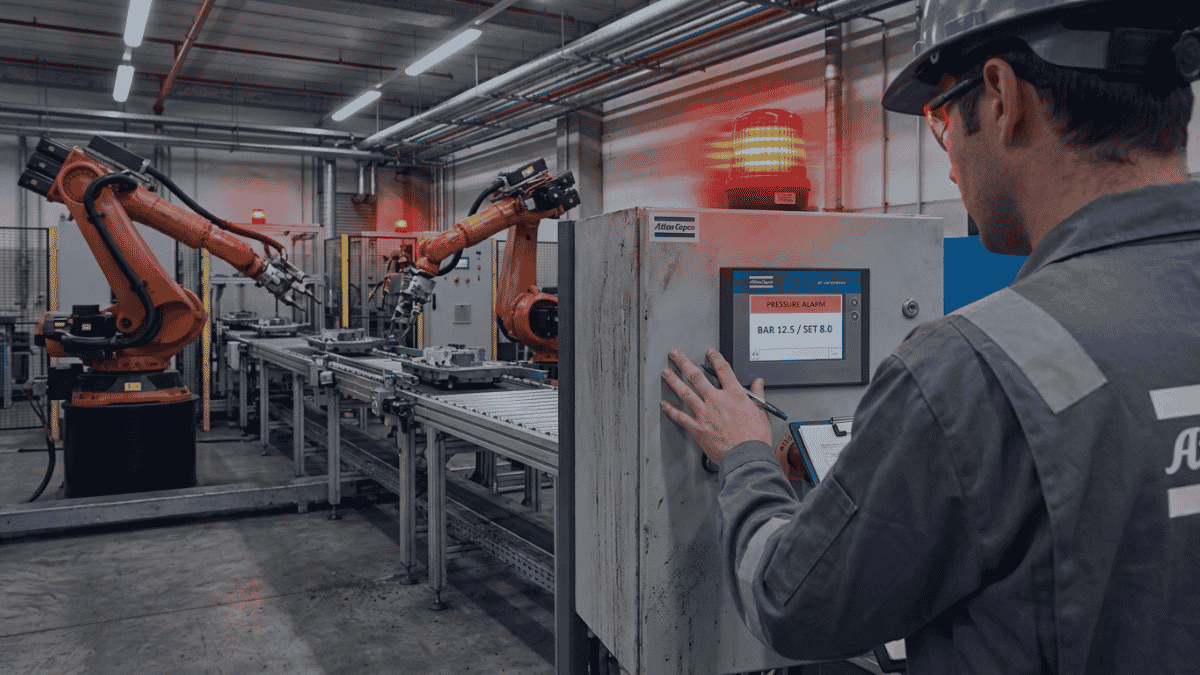
- Persistent “high temperature” or “high pressure” warnings.
- Unusual mechanical noises, rattles, or excessive vibration.
- Visible oil leaks around the enclosure or base.
- Water dripping from air drops or downstream pneumatic equipment.
- Sudden, unexplained increases in monthly electricity bills.
Xinda offers responsive
Frequently Asked Questions (FAQs)
What is the most common reason industrial air compressors fail?
The leading cause of industrial air compressor failure is delayed or neglected preventative maintenance. When air filters, oil filters, separator elements, and lubricants are not replaced within scheduled intervals, the compressor suffers from restricted airflow, increased operating temperatures, and accelerated mechanical friction, eventually leading to unexpected breakdowns.
Why does overheating cause air compressor downtime?
Overheating causes downtime because it degrades the compressor’s lubricant, thin seals, and damages critical bearings. When operating temperatures exceed safe limits (usually around 100°C to 110°C on rotary screw units), the system’s thermal overload switch automatically shuts down the machine to prevent catastrophic engine lockup.
Can air leaks lead to mechanical compressor failure?
Yes. While air leaks are often viewed as a financial waste, they force the compressor to work harder and run longer cycles to satisfy the plant’s pressure demands. This continuous operation increases thermal load, accelerates wear on moving parts, and shortens the overall lifespan of the compressor.
How does moisture damage an industrial compressed air system?
Compressed air moisture leads to internal piping corrosion, scale build-up, and damaged pneumatic control valves. It also washes away critical lubrication inside pneumatic tools and compromises final product quality, making effective air dryers and condensate drains essential.
How does Xinda help prevent industrial compressor breakdowns?
Xinda helps prevent breakdowns through customized preventative maintenance contracts, emergency breakdown support, advanced cooler cleaning, high-quality filtration parts, and professional site audits. Our tailored maintenance approach helps identify and rectify minor issues before they escalate into costly production stoppages.